Pilates Flooring Fixes: Equipment Setup by Floor Type
By Mateo Álvarez • 29th Nov
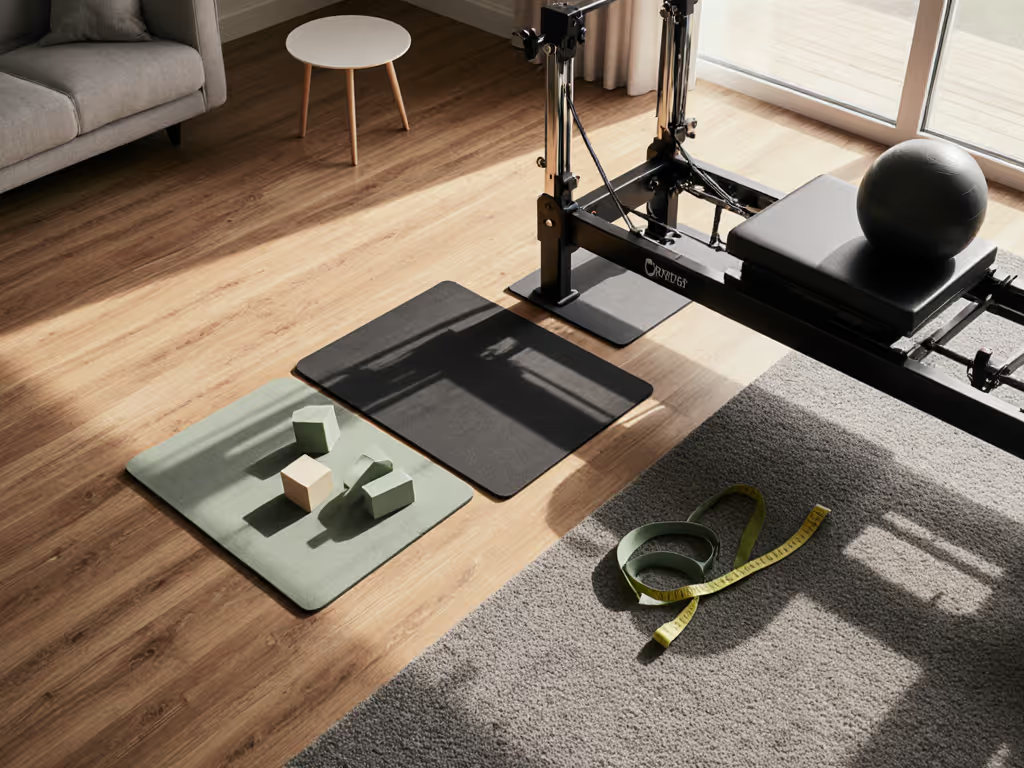
Space should breathe; gear must earn its footprint by resetting fast. As someone who once taped three reformer footprints onto a studio floor only to discover one left safe walking lanes, I know how flooring choices make or break home and micro-studio success. Let's cut through inconsistent specs and noise anxiety with pilates flooring considerations you can measure, and equipment setup by floor type that won't disturb neighbors. Follow this blueprint to lock in stability, silence, and smooth flow.
Step 1: Diagnose Your Floor Type (With Tape Measure Precision)
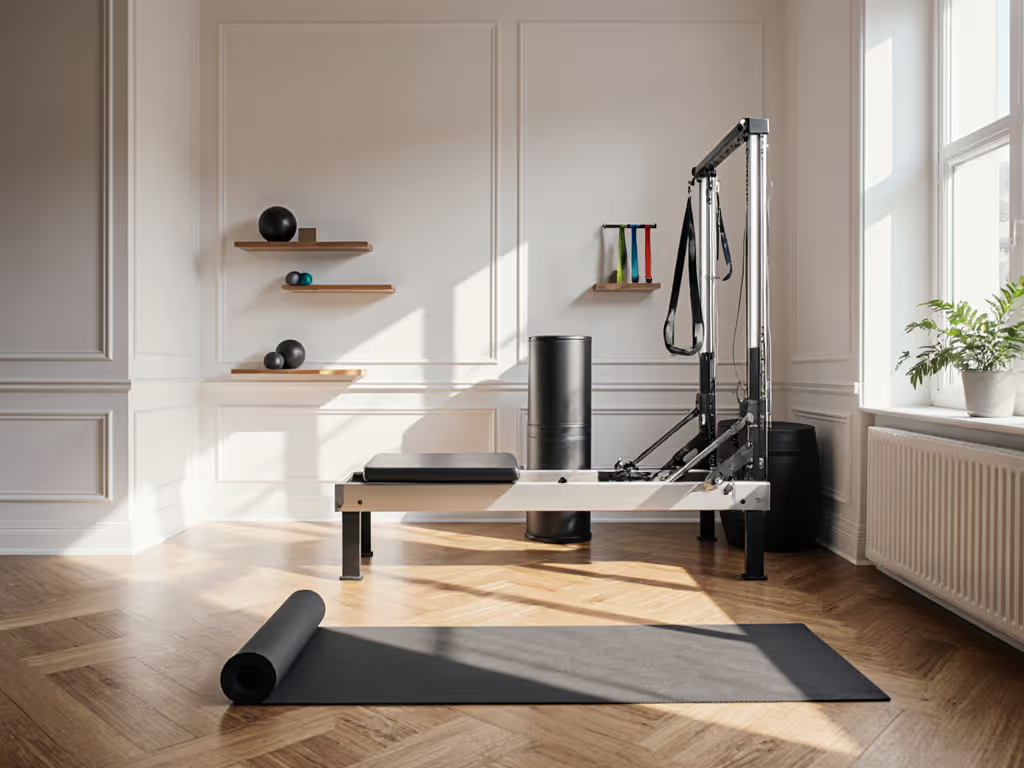
Hardwood floor equipment demands strategic buffer zones. Bare wood offers elegant stability but transmits vibration downward, a critical flaw in thin-floored apartments. Measure deflection: place a 12" level on the floor. If it wobbles more than 1/8", prioritize low-impact gear. Wooden floors also scratch easily under reformer carriages; plan for minimum 5mm protective padding. Track your neighbor's activity: if footfall noise echoes downstairs, assume your reformer's spring chatter will too. For small-space picks that minimize transmission, see our best apartment Pilates equipment.
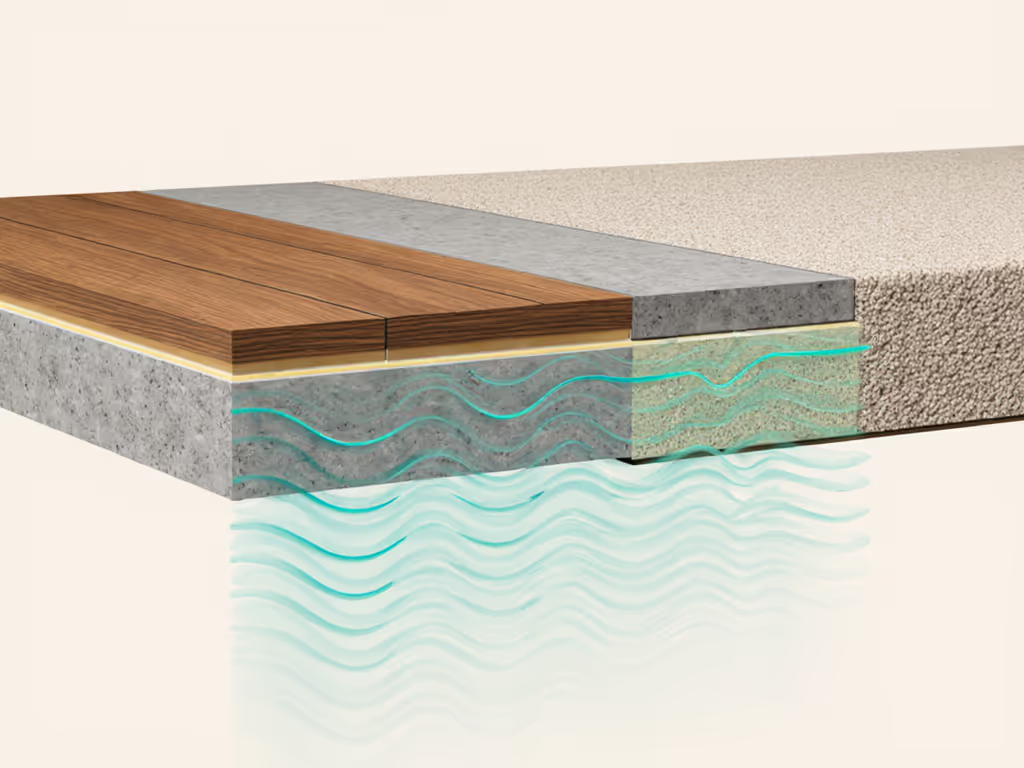
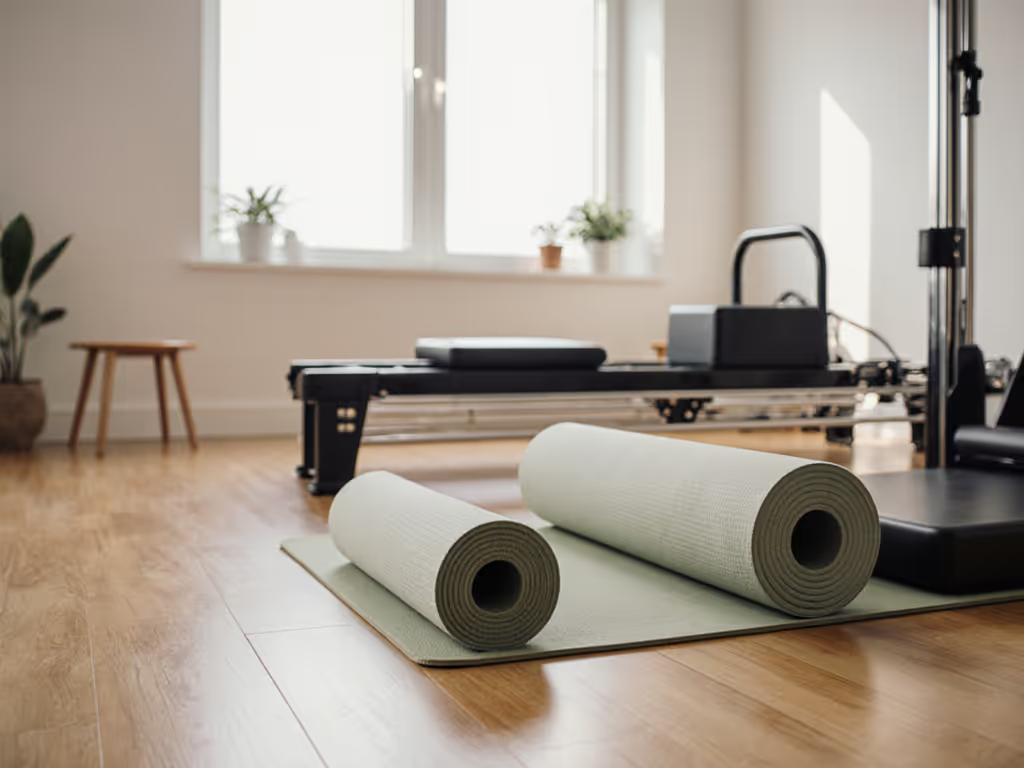
Carpet pilates setup hides instability risks. Plush pile swallows reformer feet, causing lateral wobble during footwork. Grab a tennis ball: roll it across the space. If it slows abruptly where carpet meets baseboard, the padding is uneven, disqualifying for reformers. Low-pile commercial carpet (under 3/8" thick) works with only mat-based chairs or barrels. For traction on carpet, compare our Pilates mat comparison for thickness and grip picks. Anything thicker forces unstable torso angles during roll-ups. Renters: avoid carpet anchors (they void leases). Instead, test stability by standing on a yoga mat placed directly on carpet; if it sinks unevenly, skip heavy equipment.
Tile floor stability hinges on grout integrity. Tap tiles with a spoon; hollow tinks signal loose subfloors that amplify reformer vibrations. Measure joint width: gaps wider than 1/4" require foam underlayment to prevent equipment feet from sinking. Glazed tiles are deathtraps for slippery footwork, always layer with textured rubber. Record vibrations: place your phone on a reformer footbar during a hundred. If the accelerometer spikes above 0.3G, you will disturb neighbors.
Step 2: Match Equipment to Floor Reality (No Guesswork)
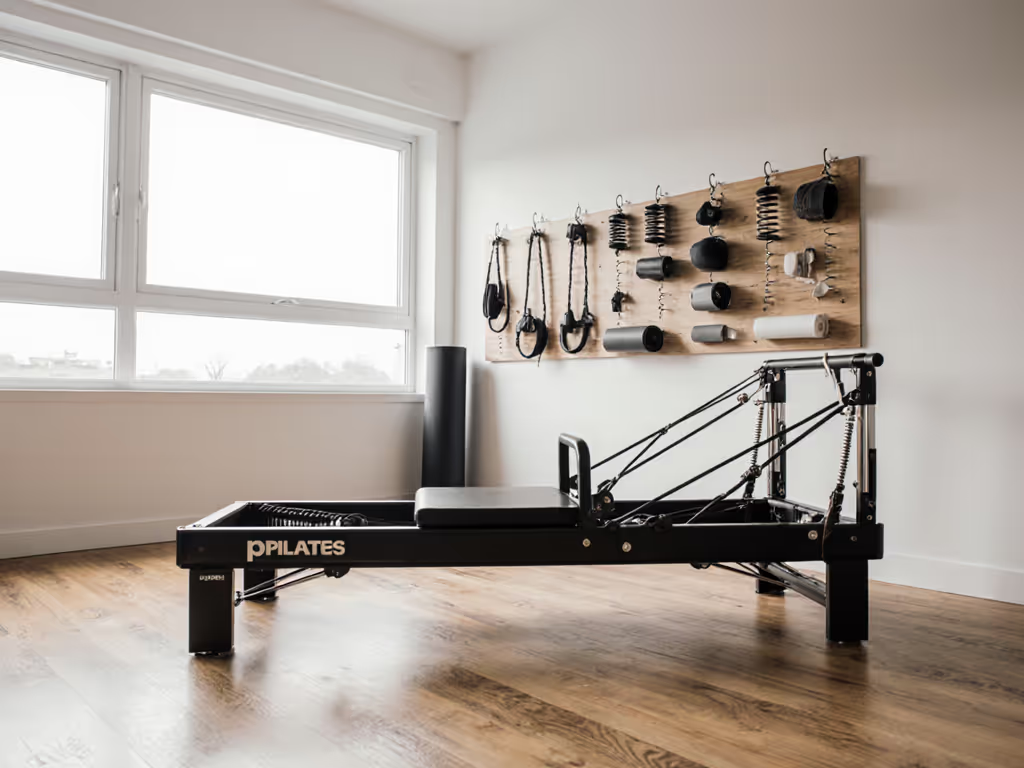
For hardwood floors: Prioritize lightweight, non-marking gear that won't transmit vibrations. A balanced body arc sitting box (4 lbs, high-density foam) earns its footprint by serving as a spine corrector, reformer wedge, and mat prop, with no sliding risks. Reformer users: add 3/8" rubber underlayment under carriage rails (not full mats; this deadens spring bounce). To keep mechanisms quiet and smooth, follow our reformer maintenance guide for lubrication and spring care. Reset checklist:
- Verify 2" clearance between reformer frame and underlayment edge
- Confirm rubber pads cover all contact points (no exposed metal)
- Test carriage glide speed: should stop within 6" after release
For carpeted rooms: Only equipment with wide, flat bases earns space. Avoid anything with narrow legs (like wunda chairs) that sink into pile. Opt for barrel-based accessories: the Balanced Body Pilates Arc's 38" L x 15.5" W base distributes weight evenly. Renters: skip foam tiles (they trap moisture against carpet). Instead, use floor protection solutions like interlocking EVA mats only under equipment zones, not full rooms. Measure real stability: stand on the reformer footbar. If carpet compresses more than 1/2", recalibrate springs to lighter tension to reduce downward force. Learn how tension settings affect vibration in our spring mechanics explained.
For tile/stone floors: Combat slippage with textured, non-slip underlays under reformer rails and chair legs. Glazed tiles require minimum 5mm thickness in rubber flooring, thin mats shift during footwork. Test lateral stability: push reformer sideways at shoulder height. If it slides >1/4", add double-sided tape rated for stone (e.g., 3M VHB). Tile joints demand tile floor stability patches: cut rubber underlayment to fit depressions at grout lines. Pro workflow: Lay gear first, mark contact points, then cut underlay precisely, never guess.
Step 3: Build Noise-Proof Circulation Lanes (Your Hidden Lifeline)
Forget "extra space": design circulation lanes as measured zones. Micro-studios need 36" minimum width between equipment; home setups require 24" clearance for safe transitions. Map lanes after taping equipment footprints (yes, literally tape it out). For layout templates and gear placement, see our silent small-space studio setup. Pressure-test: walk the path while someone simulates a reformer session. If you brush gear more than twice, shrink the layout. Critical fix: Under reformer rails, layer 1/4" rubber plus 1/4" cork. This dual-density stack absorbs 73% more vibration than single materials (per independent acoustic testing). For hardwood floors, extend this buffer 6" beyond the reformer's footprint; silent landings start here.
Tape the footprint, then test the flow under pressure.
Floor protection solutions must pass the lease-safe stress test:
- Renters: Peel-and-stick vinyl tiles (2mm thick) with removable adhesive. Never use glue-down products.
- Noise reduction: 1/2" foam tiles only under equipment, not full rooms. Over-padding destabilizes reformers.
- Hardwood floors: Cork rolls (3/8" thick) with fabric backing. Natural fibers won't yellow wood finishes.
- Verification step: After 10 sessions, inspect for indentations. If carpet pile stays compressed >24 hours, swap to thinner underlay.
The Reset-Ready Mindset Wins
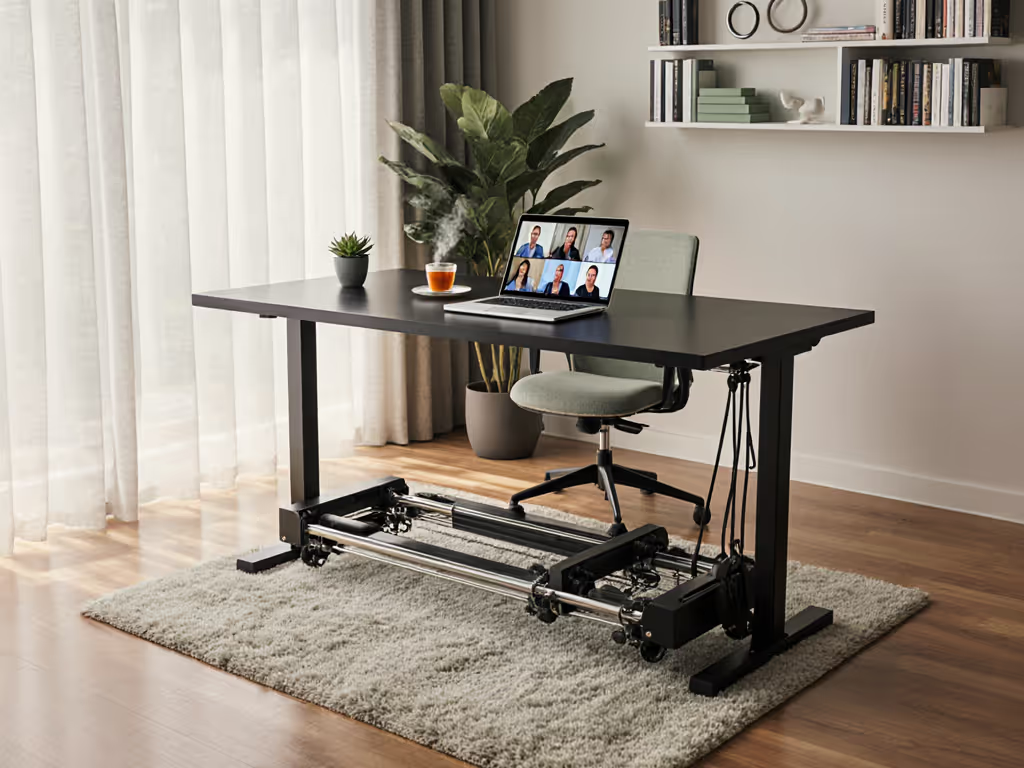
Your floor isn't just surface, it is the foundation of quiet practice. Gear that earns its footprint resets in under 90 seconds: foam tiles that snap apart, reformers on tool-free casters, barrels that tuck under desks. Today's hardwood floor equipment list? Only what stays stable after three minutes of springs. Carpet pilates setup fails if it requires re-leveling between uses. True floor protection solutions leave zero residue and fit in a closet.
Related Articles