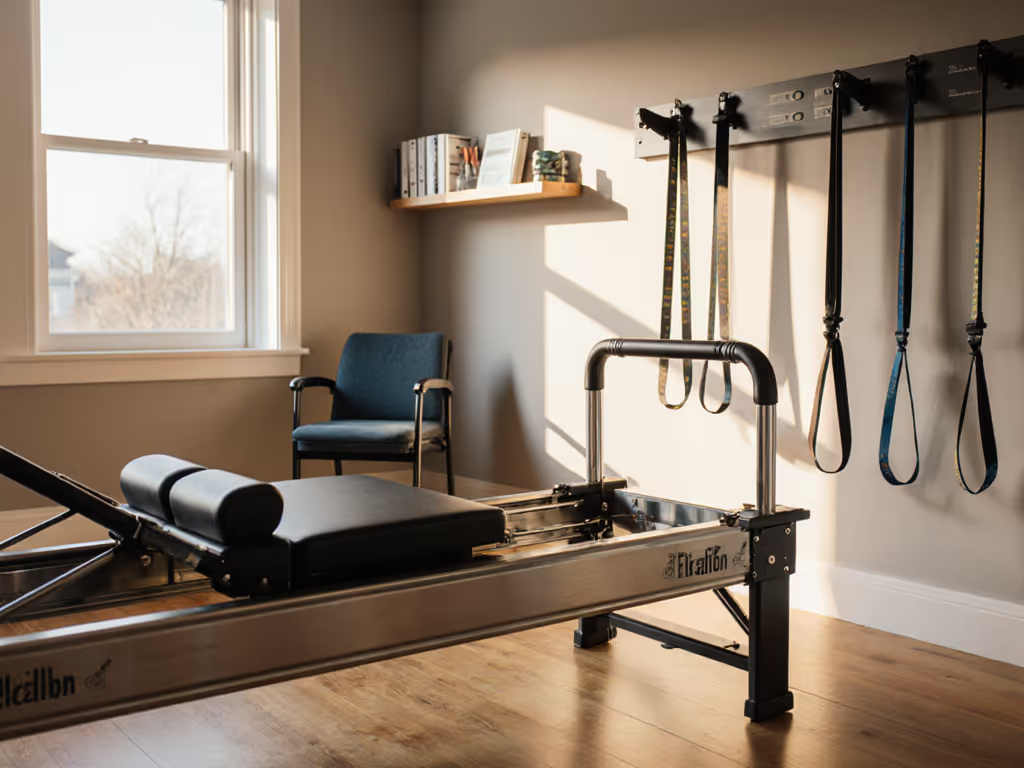
Quiet Cadillac Reformer: Home vs Studio Models
By Nora Bergström • 27th Nov
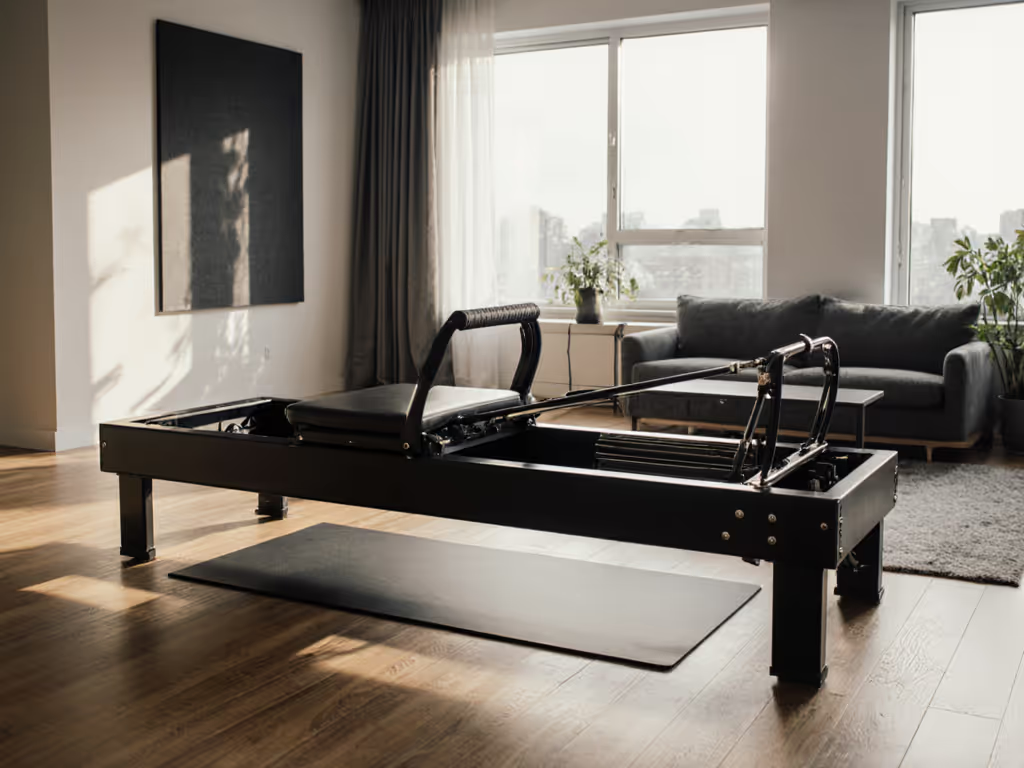
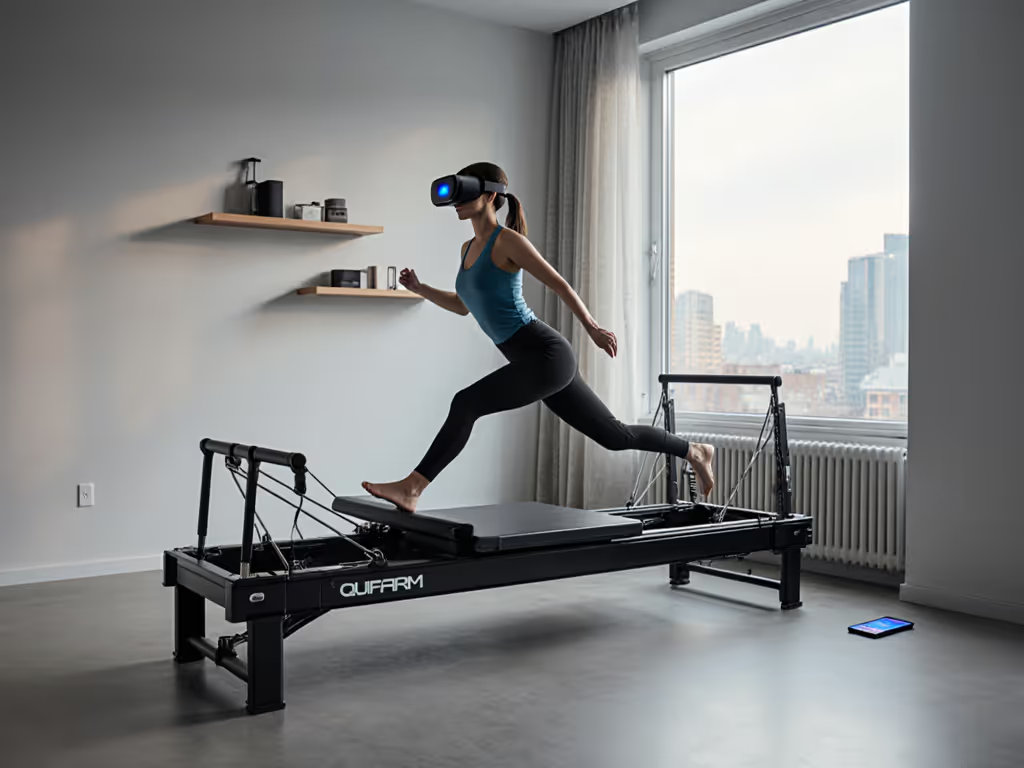
If you're considering bringing a reformer pilates cadillac into your home but worry about neighbor complaints or floor vibrations, you're not alone. Many urban dwellers find themselves torn between their wellness goals and the acoustic realities of apartment living. This guide examines how trapeze table brands approach home versus studio models (focusing specifically on what actually matters for noise-sensitive spaces). If you need a refresher on the apparatus itself, see our Cadillac overview. Comfort reduces friction; quiet sustains adherence and attention. When gear disrupts your peace before you even begin, your practice becomes an act of anxiety rather than restoration.
permission to focus
Why Noise Matters More Than You Think in Home Practice
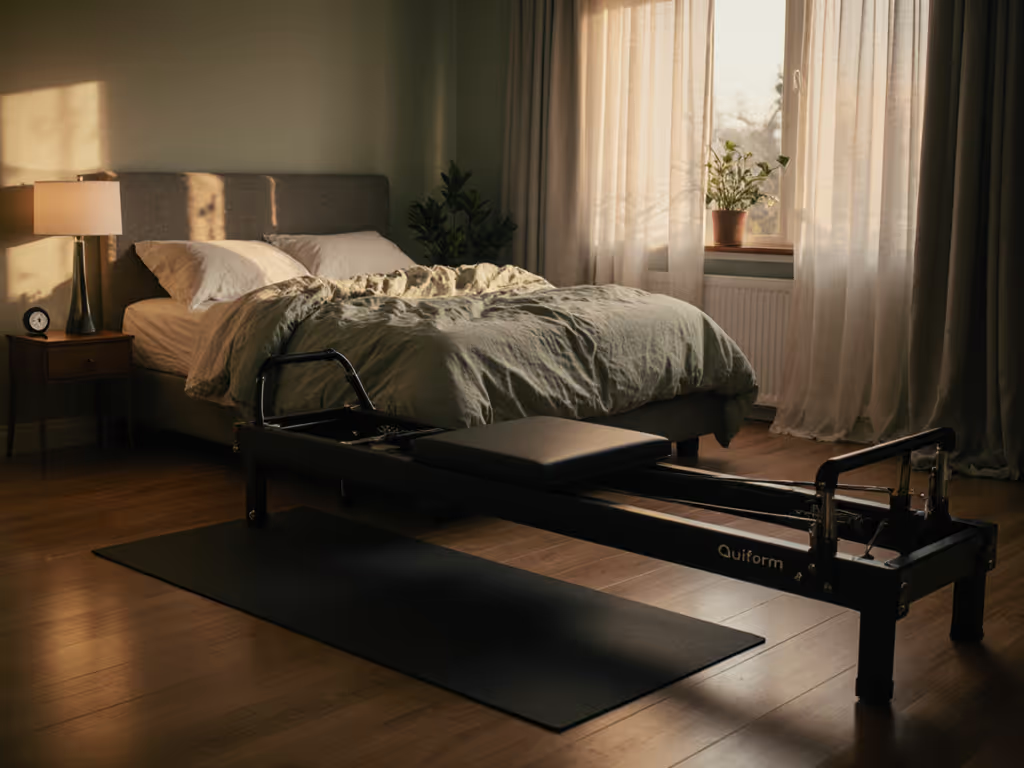
Let's be clear: a Cadillac isn't just a piece of equipment (it's an environmental commitment). In studio settings, architects design for vibration isolation and sound absorption. In homes? We're often working with pre-war floorboards and shared walls. I've had clients abandon their practice after holding their breath through every exercise, fearing the thunk of the carriage would trigger a noise complaint. We rebuilt their setup with quiet springs and strategic floor pads, turning practice back into restorative time rather than stress production.
For home users, noise manifests in three critical ways:
- Mechanical noise: Spring chatter, pulley squeaks, carriage thumps
- Vibration transmission: Floor resonance through structural elements
- User-generated noise: Foot slippage, grip adjustments, breathing shifts
Studio models prioritize range of motion and client throughput. Home models must prioritize sensory load reduction without sacrificing foundational movement quality. When visiting showrooms, listen for the silence between movements (that's where home practice lives or dies).
FAQ: Home vs Studio Cadillac Models (Key Differences)
Q: What's the most critical difference between home and studio cadillacs?
A: Vibration isolation systems. Studio models assume professional flooring (sprung wood or carpet over concrete) while home models need to manage transmission through varied substrates. Look for:
- Weight-distributed base frames (not point-loaded legs)
- Integrated rubber or cork isolation pads
- Carriage glide mechanisms rated for quiet operation (<45 decibels)
- Spring tension systems designed to minimize "chatter"
The best home models treat vibration like an engineering challenge, not an afterthought. They incorporate materials that absorb kinetic energy rather than transmit it, critical when you're one floor above your neighbor's bedroom.
Q: Do "compact" home models sacrifice essential Cadillac functionality?
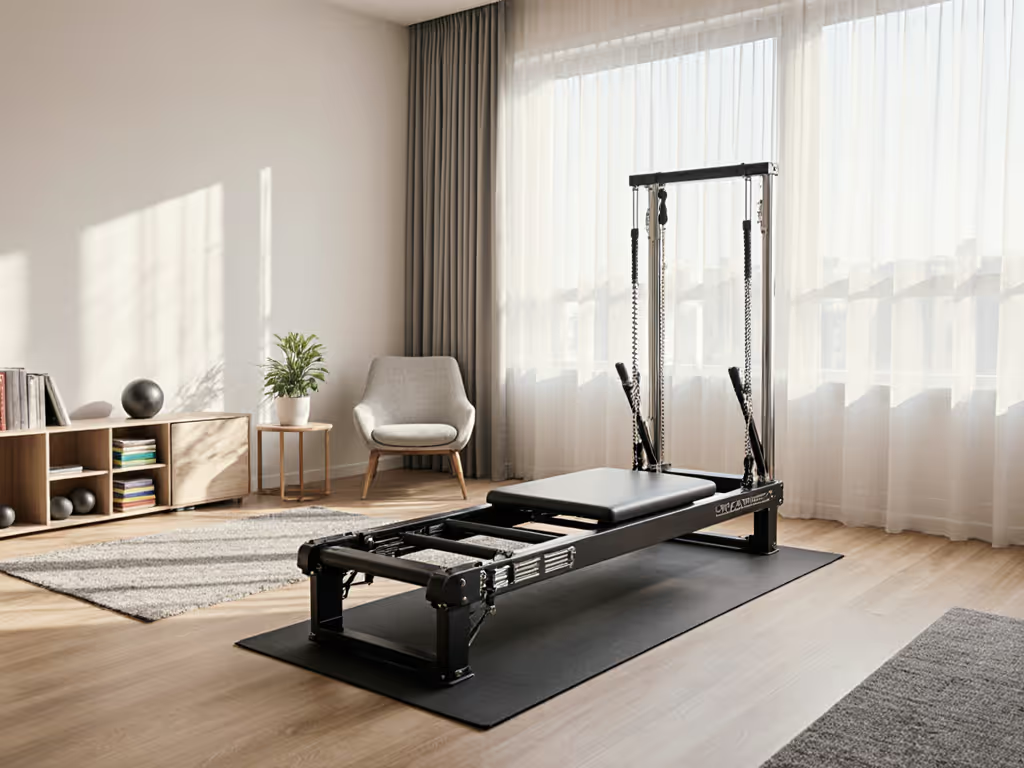
A: Not if designed thoughtfully. True home models maintain the core cadillac model features that enable supine, seated, and standing work while reconfiguring spatial demands:
- Tower height: Home models often reduce maximum height (210cm vs 225cm) since ceiling heights in apartments are typically lower
- Footprint: Shorter bed lengths (210-220cm vs 237cm) better fit standard living rooms
- Conversion systems: Quick-mat systems that don't require flipping the carriage (preserving quiet operation)
Crucially, the most space-smart designs use vertical rather than horizontal expansion (building up with adjustable towers rather than out with wider frames). This maintains exercise variety while respecting walkways.
Q: How do I verify actual noise levels when manufacturers rarely publish decibel ratings?
A: Request sound samples from current owners in similar living situations. Ask specifically:
- "What does your floor sound like during overhead work?"
- "Do neighbors hear the carriage returning?"
- "How does it perform on [your specific floor type]?"
Independent reviewers should measure at three critical points:
- Directly on the frame (mechanical noise)
- Adjacent wall surface (transmission)
- One room away (perceived noise)
One evidence snippet: a recent comparative test found spring-loaded stoppers reduced carriage return noise by 18dB compared to standard friction brakes, a difference between "noticeable thud" and "barely perceptible" in multi-unit buildings.
Q: What cadillac equipment specs matter most for noise-sensitive home use?
A: Focus on these metrics most manufacturers overlook:
- Carriage glide mechanism: Nylon or Delrin wheels on stainless steel rails (quieter than plastic on wood)
- Spring attachment points: Rubber-coated hooks reduce spring vibration transmission
- Frame material: Solid beech with honeycomb reinforcement (as found in some premium models) dampens resonance better than hollow tubing
- Foot pad design: Integrated cork or rubber bases (not separate add-ons)
Pay attention to the "quiet points" in the movement cycle: the moment of carriage return, spring extension, and strap release. These are where most home models fail, introducing disruptive sounds that break your concentration.
What Home Users Wish They Knew Before Buying
The Floor Matters More Than the Machine
Your flooring determines 60% of your noise outcome. A machine that's silent on cork might thunder on hardwood. Before purchasing, test your space:
- Place a foam roller where the Cadillac will sit
- Jump next to it and listen for resonance
- Note transmission to adjacent rooms
The right floor protection isn't just a mat: it is an engineered layer. Look for vibration-dampening platforms with mass-loaded vinyl cores, not just foam pads. These cost more but prevent the "amplification effect" where floor vibrations travel through structural elements.
Assembly Affects Acoustics
A poorly assembled Cadillac becomes noisier over time. Focus on:
- Pre-lubricated glide rails (dry assembly creates friction noise)
- Torque specifications for structural bolts (overtightening creates stress points)
- Spring alignment checks (misaligned springs chatter)
Many home users skip the "quiet commissioning" phase, running the carriage repeatedly without resistance to settle components before use. This simple 10-minute process prevents future squeaks from developing as tension points shift.
Micro-Studio Considerations
For instructors building in-home studios, your studio vs home cadillac choice impacts client retention. For full room planning tips, see our silent small-space studio setup guide. Key considerations:
- Station spacing: Minimum 1.2m between towers for reset time and noise separation
- Reset speed: Models with click-in springs and numbered spring positions allow faster transitions
- Footprint per station: Aim for ≤ 3m² including clearances
The most successful micro-studios use identical equipment across all stations, creating consistent resistance profiles and noise signatures that clients learn to anticipate and work with.
Cadillac Value Analysis: Beyond the Price Tag
| Factor | Studio Model Priority | Home Model Priority |
|---|---|---|
| Spring System | Range of resistance | Noise-dampened attachment |
| Assembly | Professional installation | Tool-free components |
| Frame Finish | Durability | Low-VOC, scratch-resistant |
| Warranty | Frame structure | Glide mechanism |
| Accessories | Specialty attachments | Quiet floor protection |
A home model that costs $500 more but includes vibration-dampening bases and quiet springs may save you years of neighbor negotiations. Conversely, a "studio-grade" machine in a home setting often requires $300+ in noise-mitigation add-ons that weren't designed into the original system.
The Maintenance Factor
Noise isn't static, it evolves. Budget for:
- Annual glide rail lubrication (silicone-based, not oil)
- Spring tension checks (stretched springs chatter)
- Bolt torque verification (settling causes creaks)
The best home models provide clear maintenance checkpoints, not just "lubricate annually" but "apply 3 drops of X lubricant to Y points every Z months." This prevents the "mystery squeak" that develops after 6 months of use. For a step-by-step checklist, use our reformer maintenance guide.
Practical Next Steps for Quiet Practice
Before purchasing, conduct this simple test:
- Measure your space with clearance zones (15cm beyond all frame points)
- Stand where the carriage returns, have someone operate it while you listen from adjacent rooms
- Test with your typical footwear (socks vs barefoot changes slippage noise)
- Note the "quiet restart" time (how long after a noise complaint could you practice again?)
The right home Cadillac doesn't just fit your space, it respects your living context. It should give you permission to focus without calculating neighbor schedules or holding your breath through footwork. When equipment operates at the threshold of awareness rather than the center of attention, your practice becomes sustainable.
Quiet isn't about absence of sound, it's about presence of focus. When your gear stops announcing itself, your movement can begin. This shift from equipment awareness to body awareness marks the transition from stressful ritual to restorative practice.
Further Exploration
If you're weighing specific trapeze table brands for home use, consider these research steps:
- Contact current owners in apartment buildings through brand forums
- Request noise samples recorded through building materials (not just studio spaces)
- Calculate total cost of noise mitigation (floor pads, wall barriers) before purchase
- Verify return policies for "noise dissatisfaction," some brands now offer this
The most sustainable home practice isn't the cheapest or most compact, it's the one that disappears into your daily rhythm rather than disrupting it. Your quietest practice begins with equipment that understands your walls have ears.
Related Articles